 01
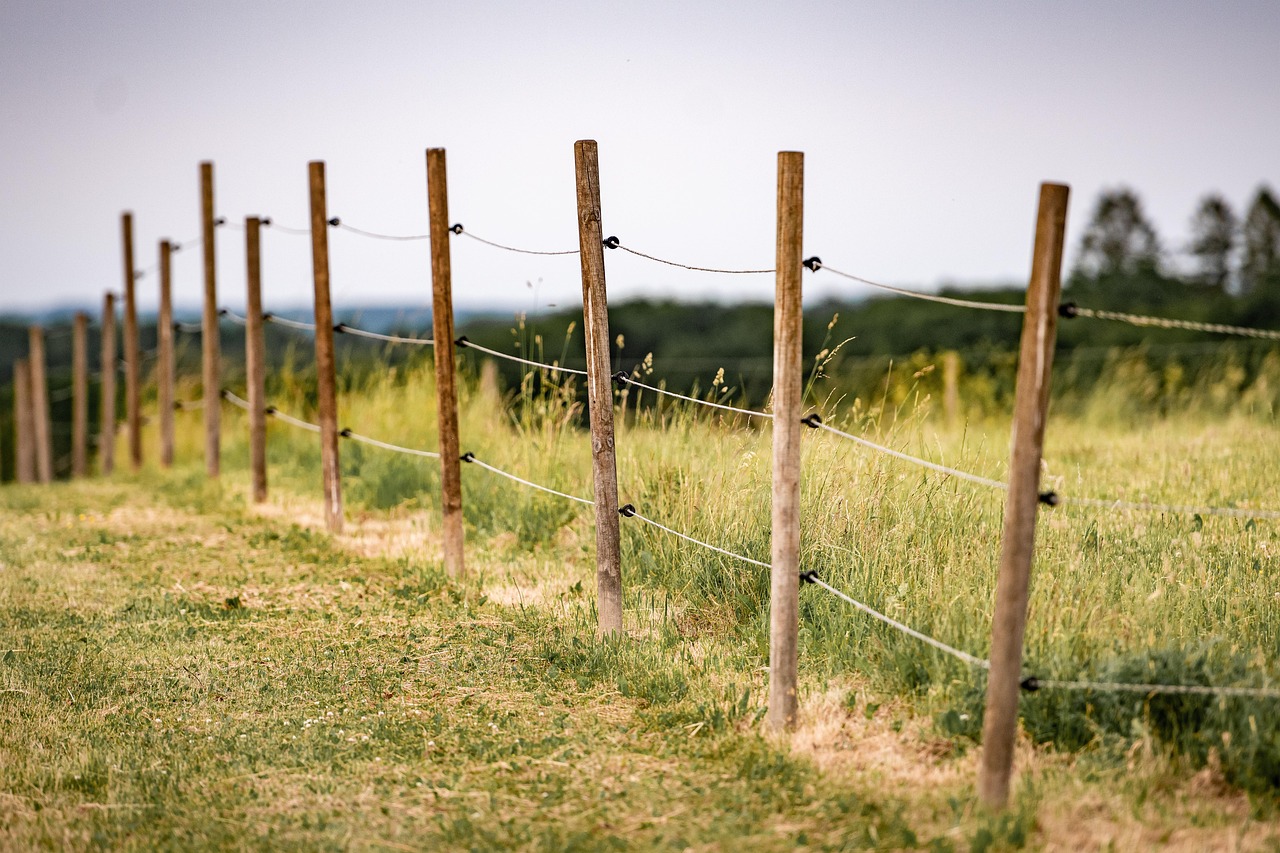
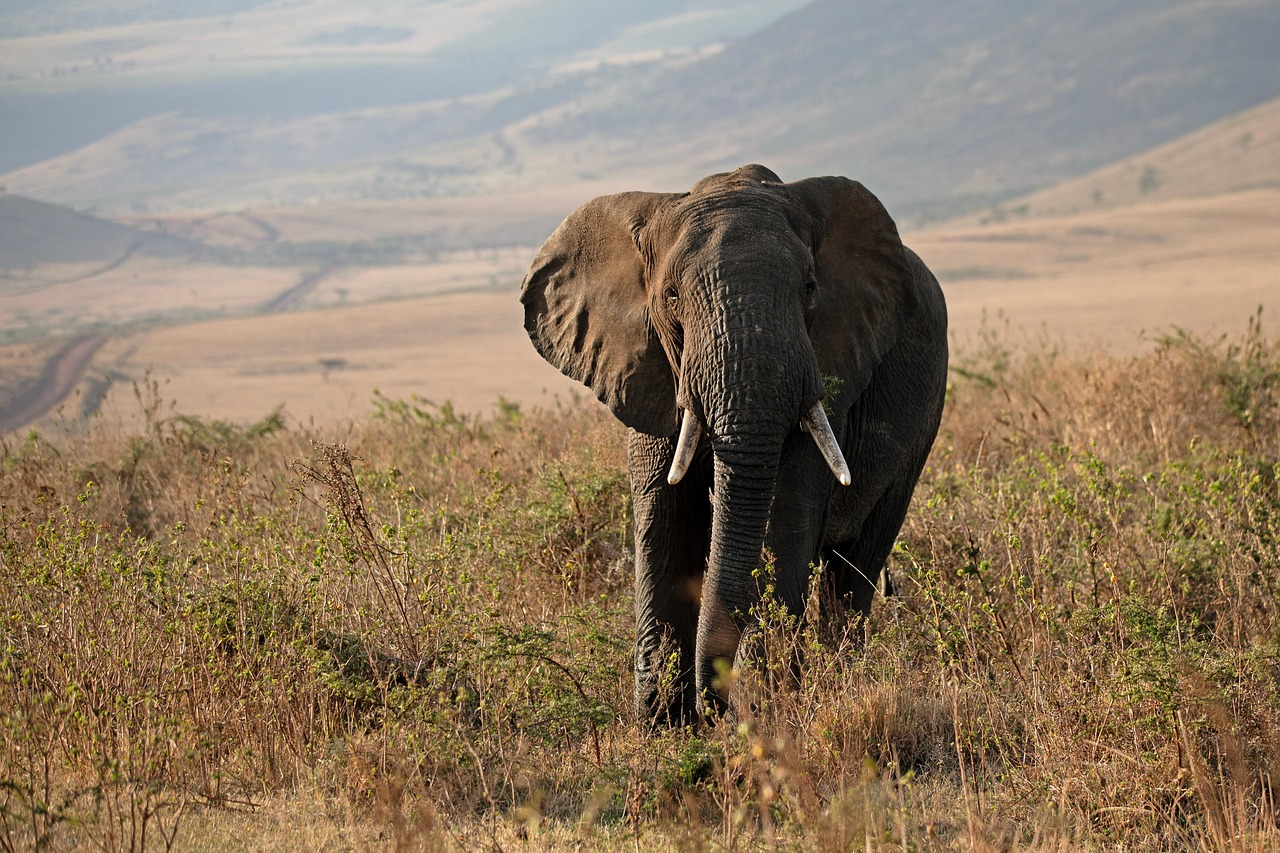
01Zuia
PreventZuia hatari mapema.
Practical, locally relevant crop and livestock barrier methods, reinforced by KWS seasonal field alerts that reach households before the risk peaks.
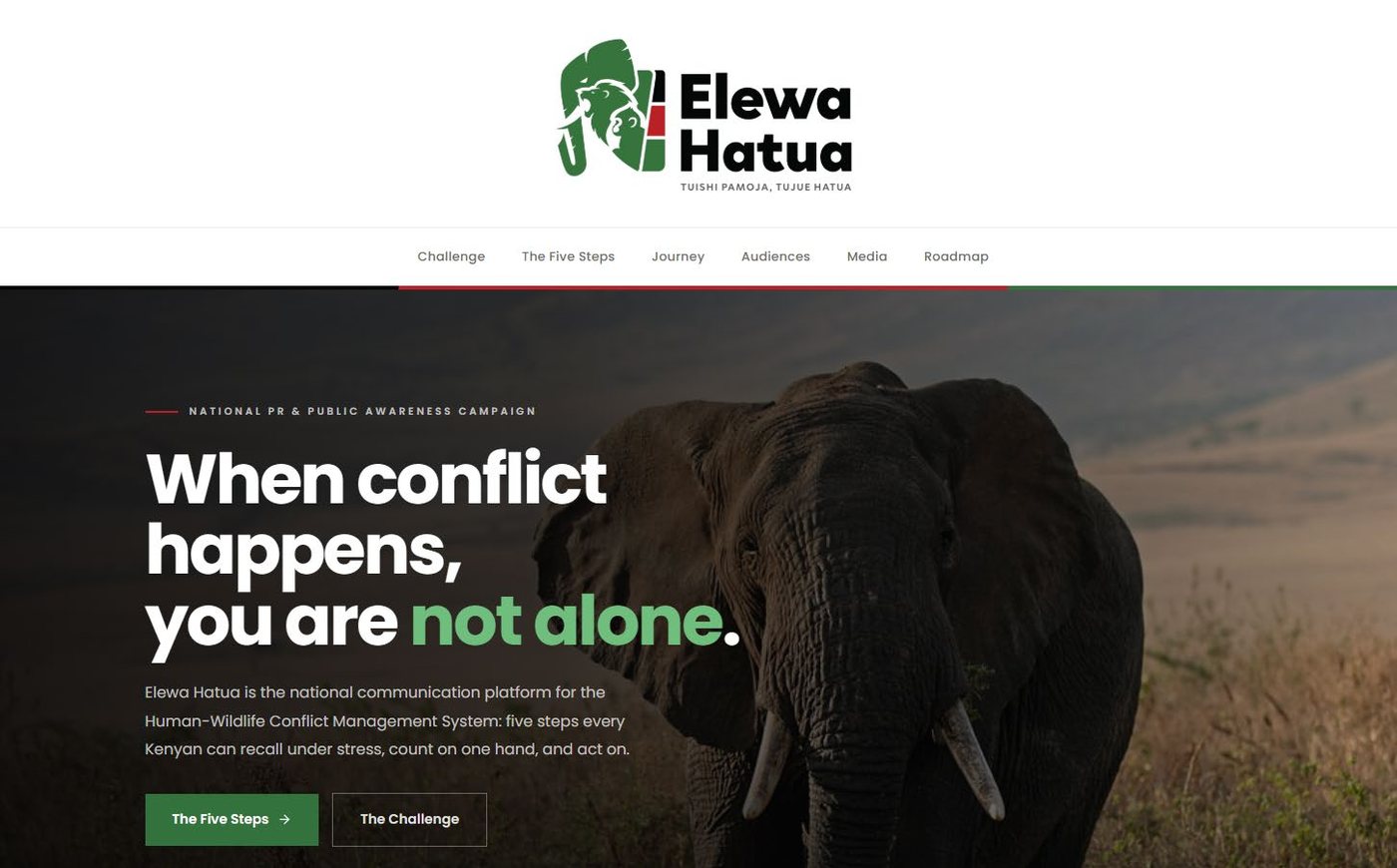
Elewa Hatua is the national communication platform for the Human-Wildlife Conflict Management System: five steps every Kenyan can recall under stress, count on one hand, and act on.


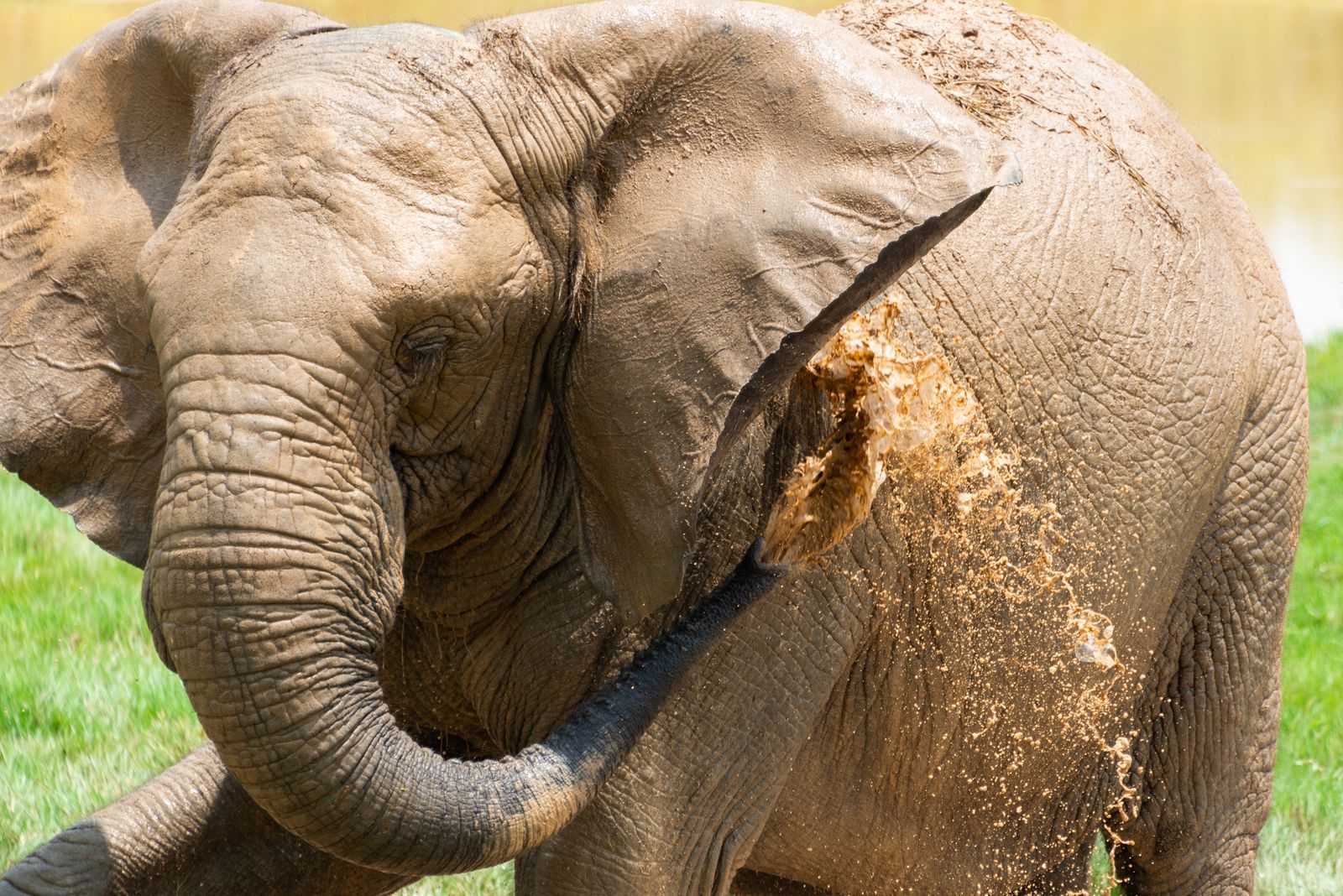
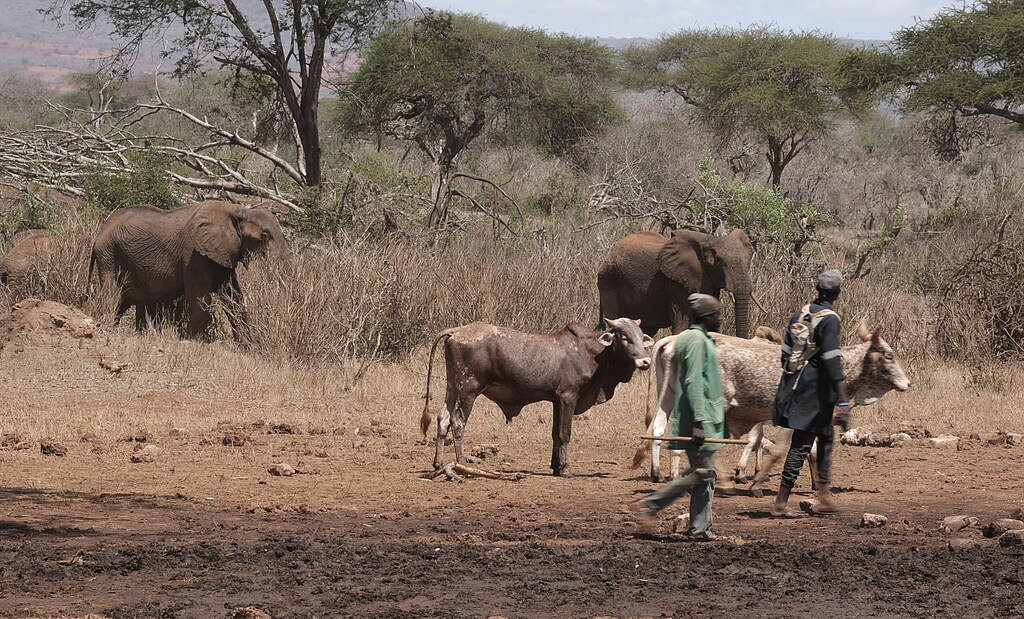
Technology deployment alone cannot deliver public value. When a farmer in Taita Taveta finds their crops flattened, or a pastoralist in Laikipia loses livestock, they do not ask whether the software architecture is stable.
What do I do next?
The question behind every incident
A database does not heal a community's trauma or restore a ruined harvest. The gap between a technical system and lived reality breeds mistrust.
Expectations of automatic payouts open the door to fraudulent claims agents who target households at their most vulnerable.
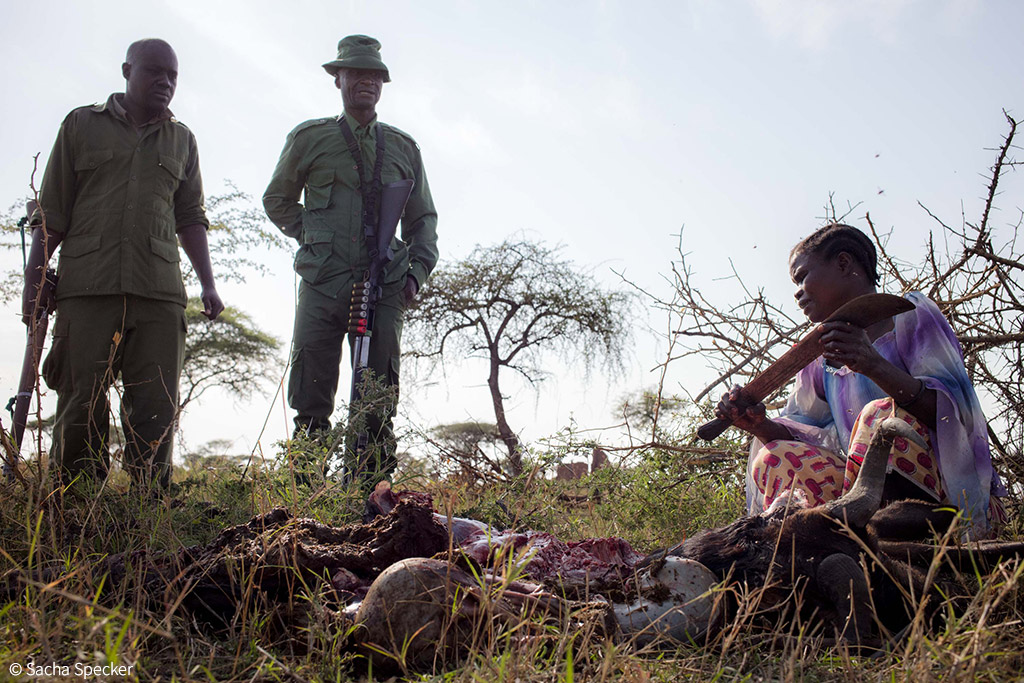
Without a trusted, visible path to report and follow up, frustration turns into dangerous and illegal retaliation against wildlife.
Elewa Hatua translates a complex, multi-stage administrative journey into five sequential actions a citizen can recall under stress. Each step carries its own directive, icon and asset kit.
01Zuia hatari mapema.
Practical, locally relevant crop and livestock barrier methods, reinforced by KWS seasonal field alerts that reach households before the risk peaks.
 02
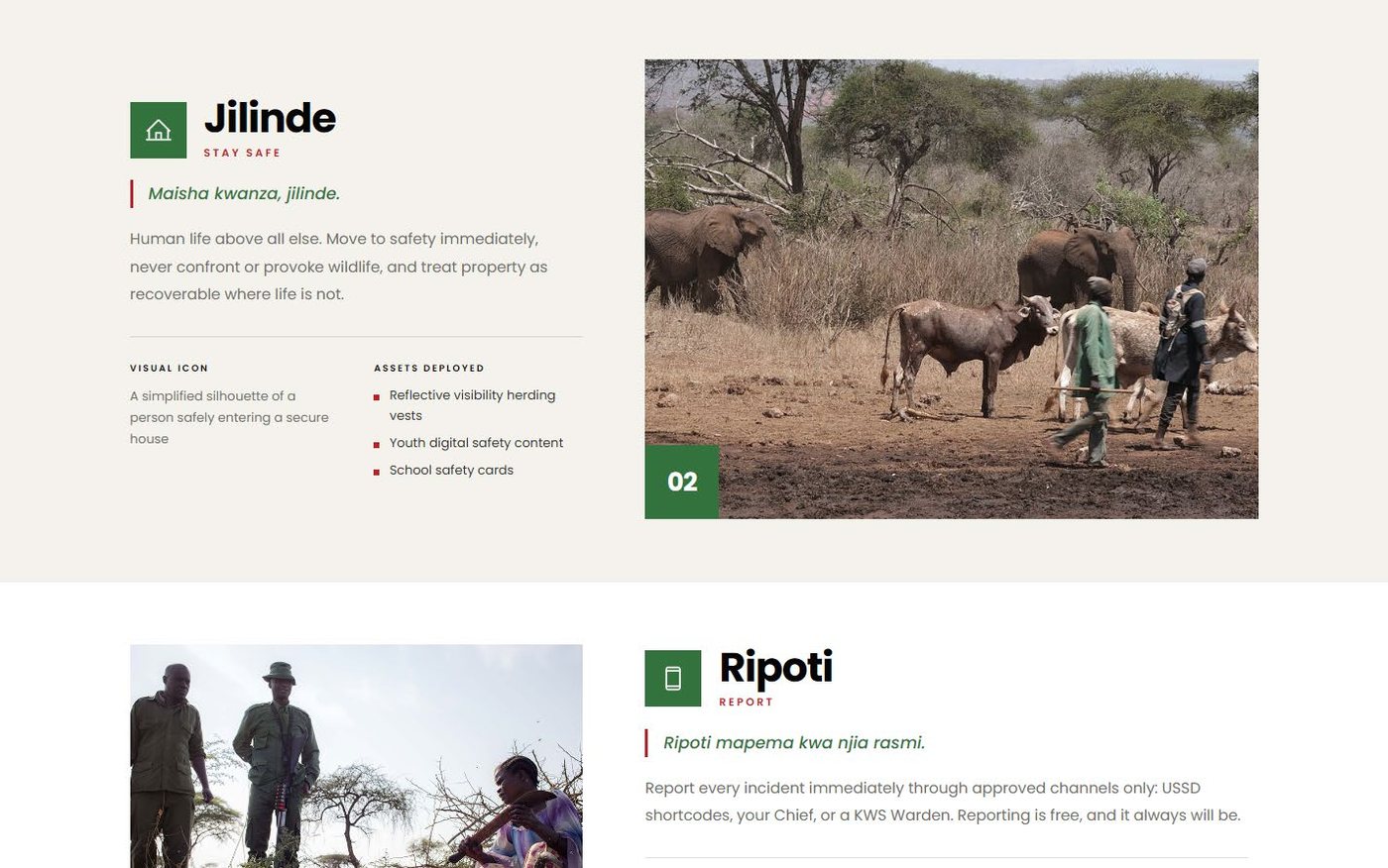
02Maisha kwanza, jilinde.
Human life above all else. Move to safety immediately, never confront or provoke wildlife, and treat property as recoverable where life is not.
 03
03Ripoti mapema kwa njia rasmi.
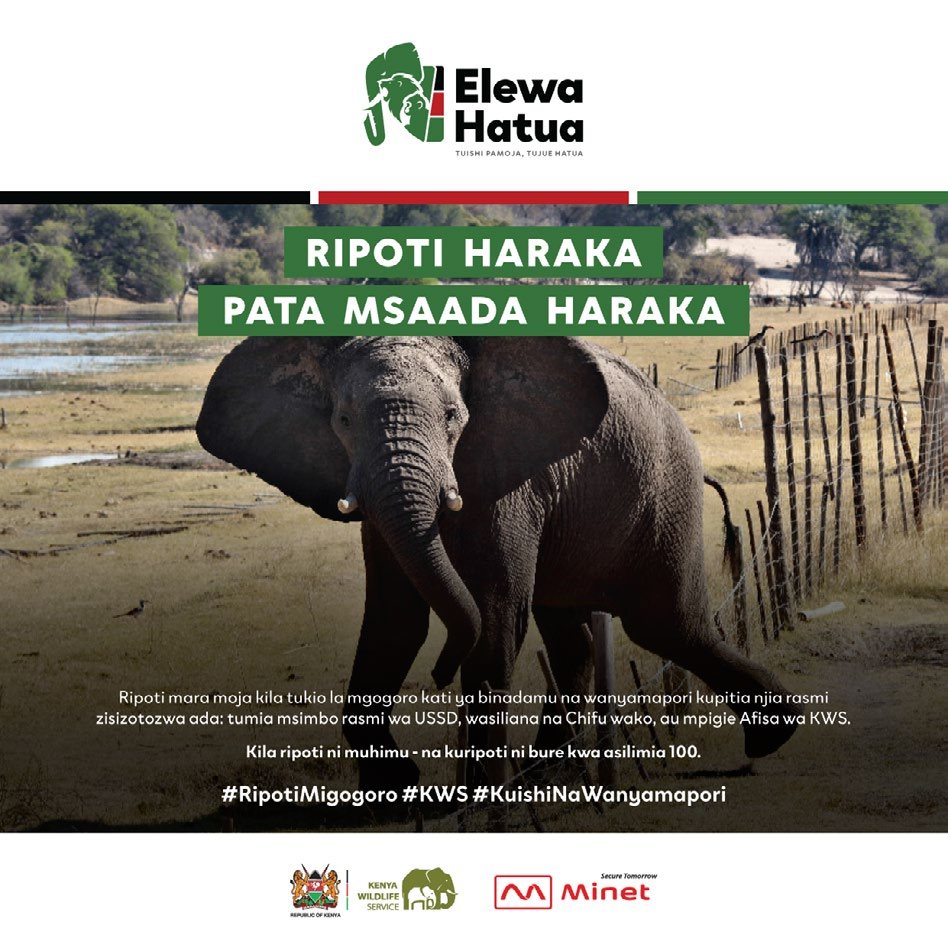
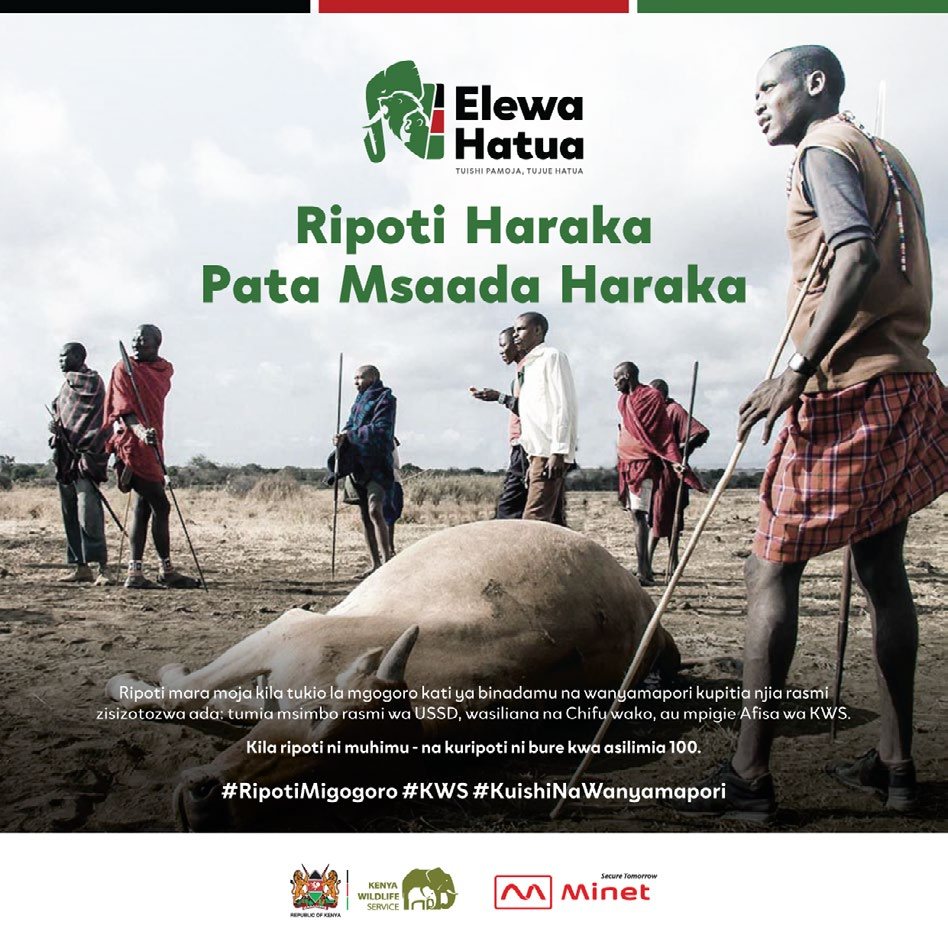
Report every incident immediately through approved channels only: USSD shortcodes, your Chief, or a KWS Warden. Reporting is free, and it always will be.
 04
04Fuatilia dai lako rasmi.
Preserve scene evidence safely, cooperate with KWS field verifiers, track case status officially, and report every bribe request. A process, not a payout promise.
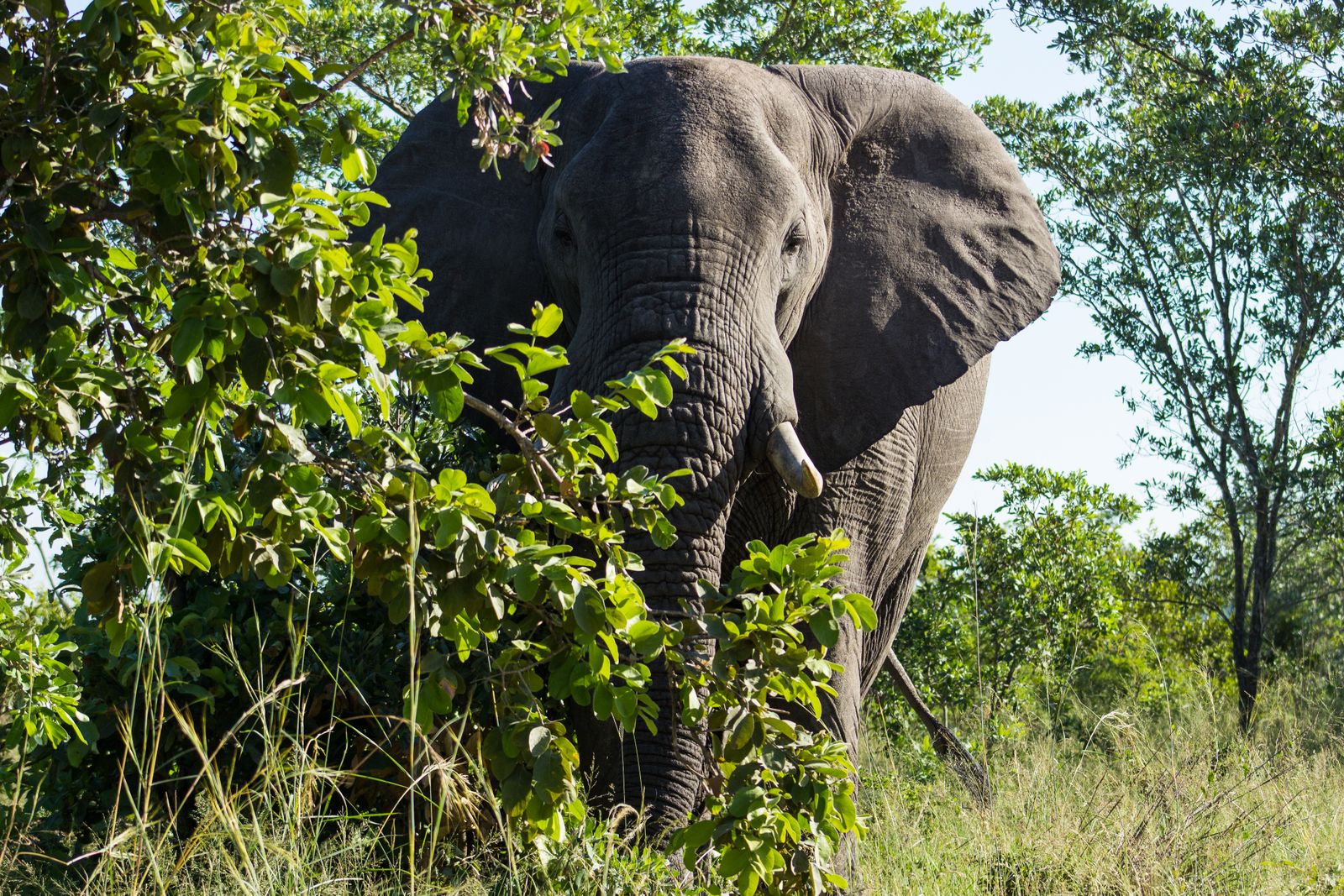 05
05Tuishi pamoja kwa amani.
Reject illegal or dangerous retaliatory action, share verified community facts, and champion national wildlife heritage as a shared inheritance.
Trauma sensitivity, language diversity, misinformation and conservation tension all resolve into the same four-stage path, from first contact to confident civic action.
Make HWCMS and the five steps universally visible and recognisable in hotspot areas.
There is an official government system for this, and I know the steps exist.
Deconstruct reporting codes, verification requirements and the tracking path.
I understand how to report, what evidence is needed, and how the process works.
Demonstrate process fairness, debunk myths, and reinforce state presence on the ground.
The process is fair and transparent. I know where to get verified information.
Prompt proactive prevention and safety compliance as a shared responsibility.
Preventing conflict and protecting our wildlife keeps my family safe.
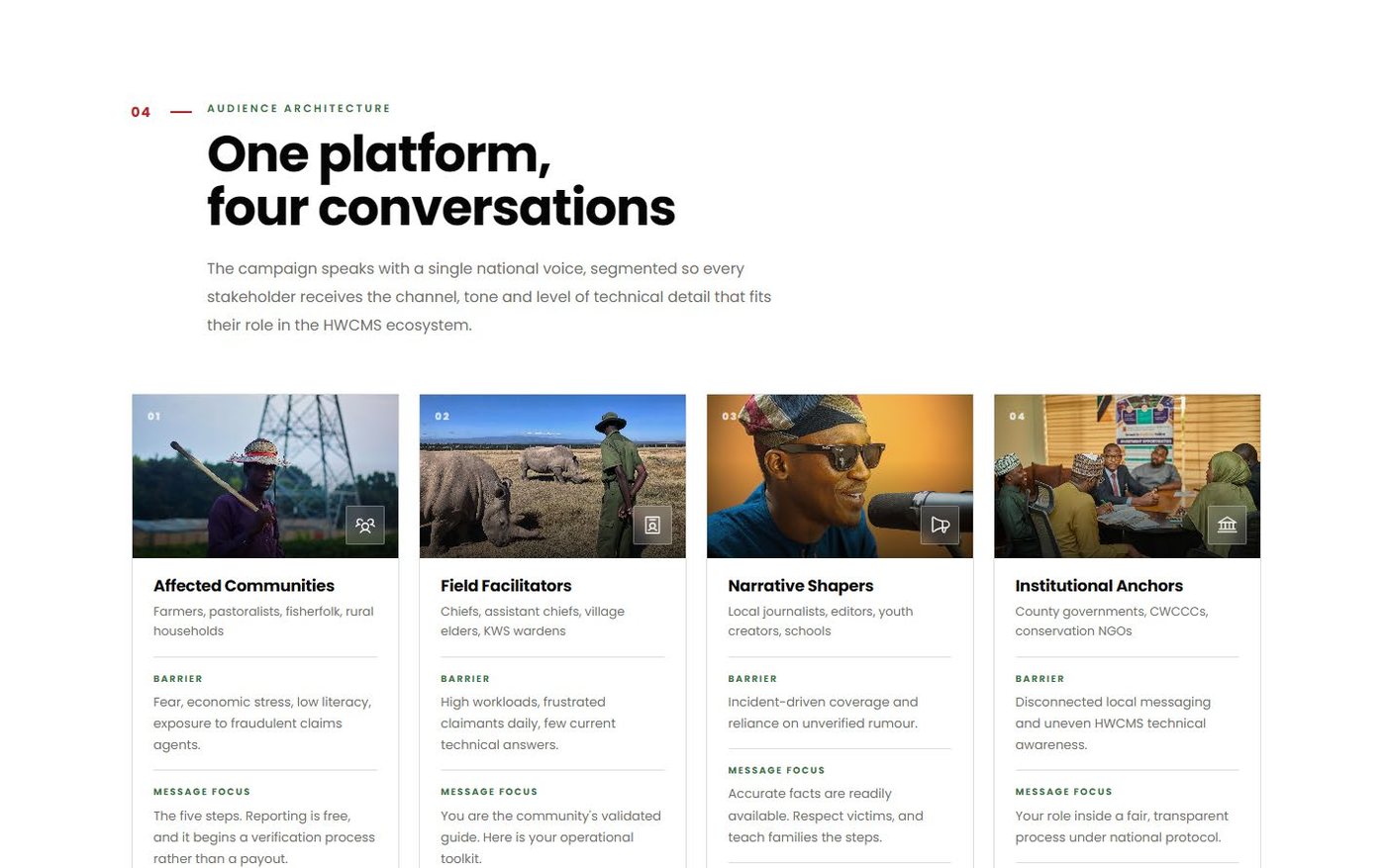
The campaign speaks with a single national voice, segmented so every stakeholder receives the channel, tone and level of technical detail that fits their role in the HWCMS ecosystem.
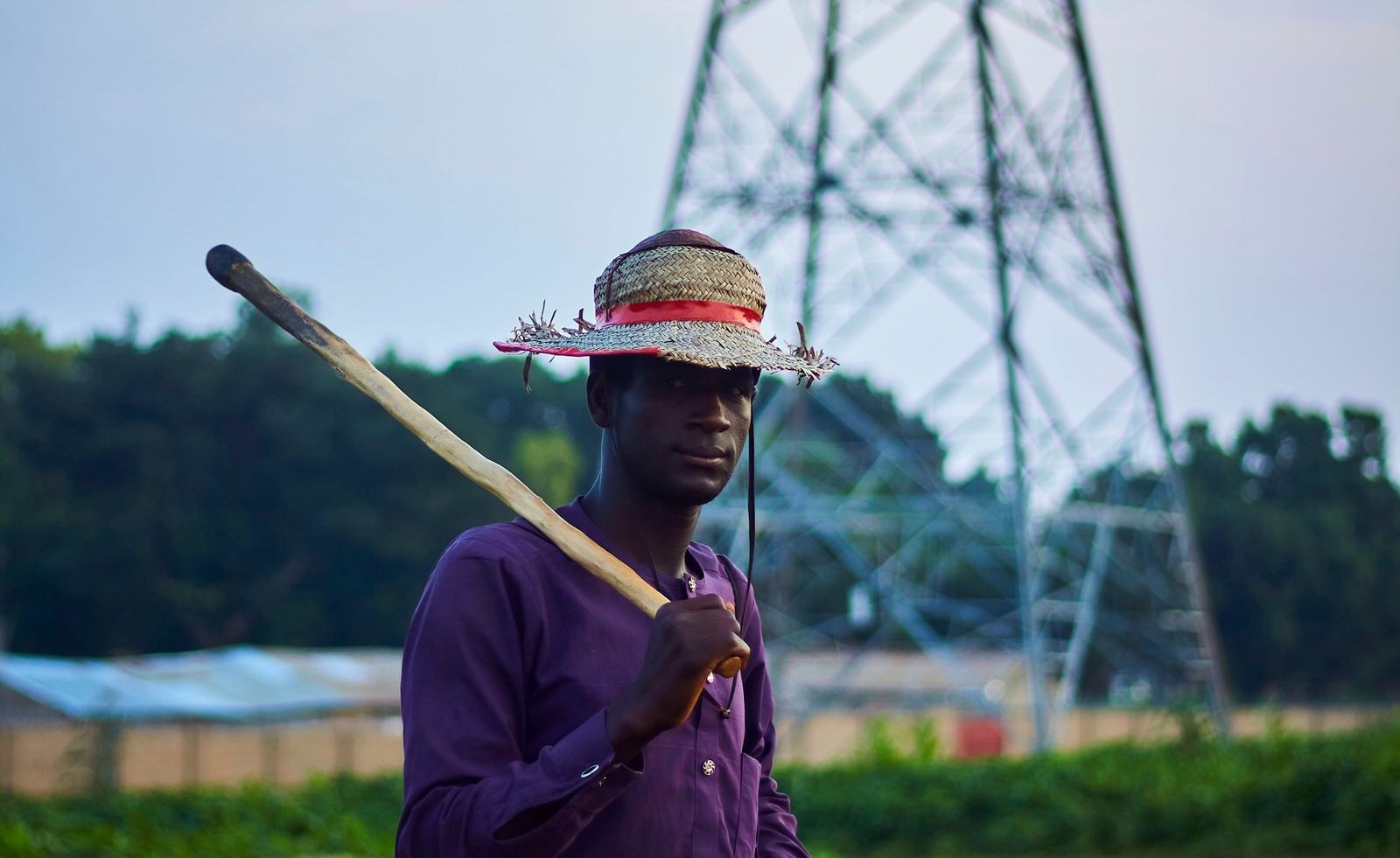 01
01Farmers, pastoralists, fisherfolk, rural households
Fear, economic stress, low literacy, exposure to fraudulent claims agents.
The five steps. Reporting is free, and it begins a verification process rather than a payout.
Vernacular radio, barazas, market activations, USSD quick-cards
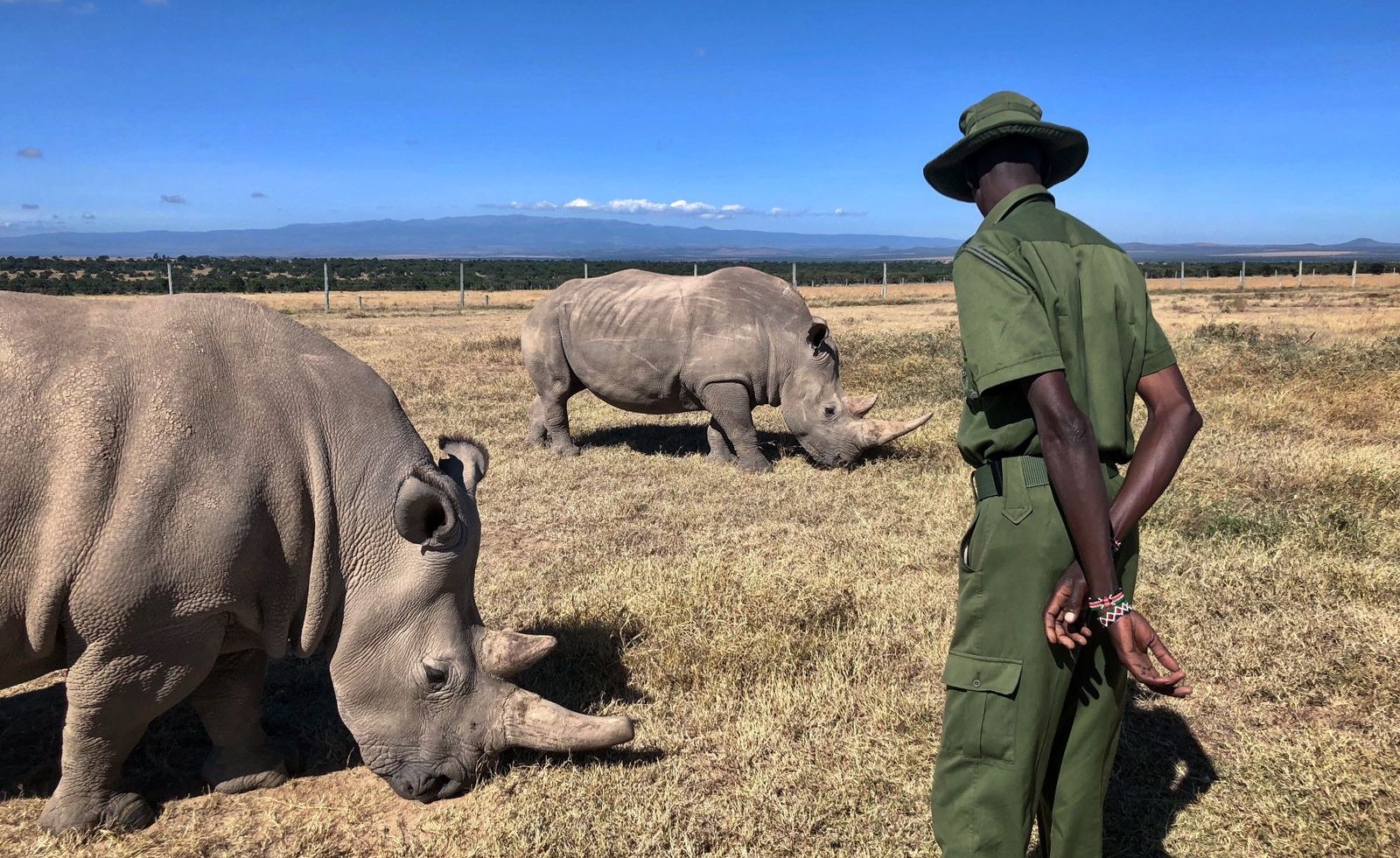 02
02Chiefs, assistant chiefs, village elders, KWS wardens
High workloads, frustrated claimants daily, few current technical answers.
You are the community's validated guide. Here is your operational toolkit.
Training of trainers, leader toolkits, WhatsApp leader groups
 03
03Local journalists, editors, youth creators, schools
Incident-driven coverage and reliance on unverified rumour.
Accurate facts are readily available. Respect victims, and teach families the steps.
Media Hatua Labs, press kits, rapid-response desk, wildlife clubs
 04
04County governments, CWCCCs, conservation NGOs
Disconnected local messaging and uneven HWCMS technical awareness.
Your role inside a fair, transparent process under national protocol.
Stakeholder forums, county launches, progress dashboards
Human-wildlife conflict is seasonal, so the budget is not spread thinly across twelve months. Mass media deploys in high-weight bursts timed to planting, harvest and dry season competition for water and pasture.
Movement launch. Mass exposure of the five steps and official codes.
Understanding. Reporting mechanics, evidence rules, verification.
Trust and safety. Prevention, myth-busting, fraud alerts.
Call-in segments, FAQ management, 24/7 rapid response.
The primary engine for local understanding and the most trusted regional voice.
Jirani Pori radio serial, weekly 30-minute call-ins with KWS wardens, localised spots
Establishes national legitimacy and visible government ownership of the system.
Njia Moja anthem film, step-specific cut-downs, sponsored prime-time explainers
Builds country-wide frequency for the platform and the official reporting codes.
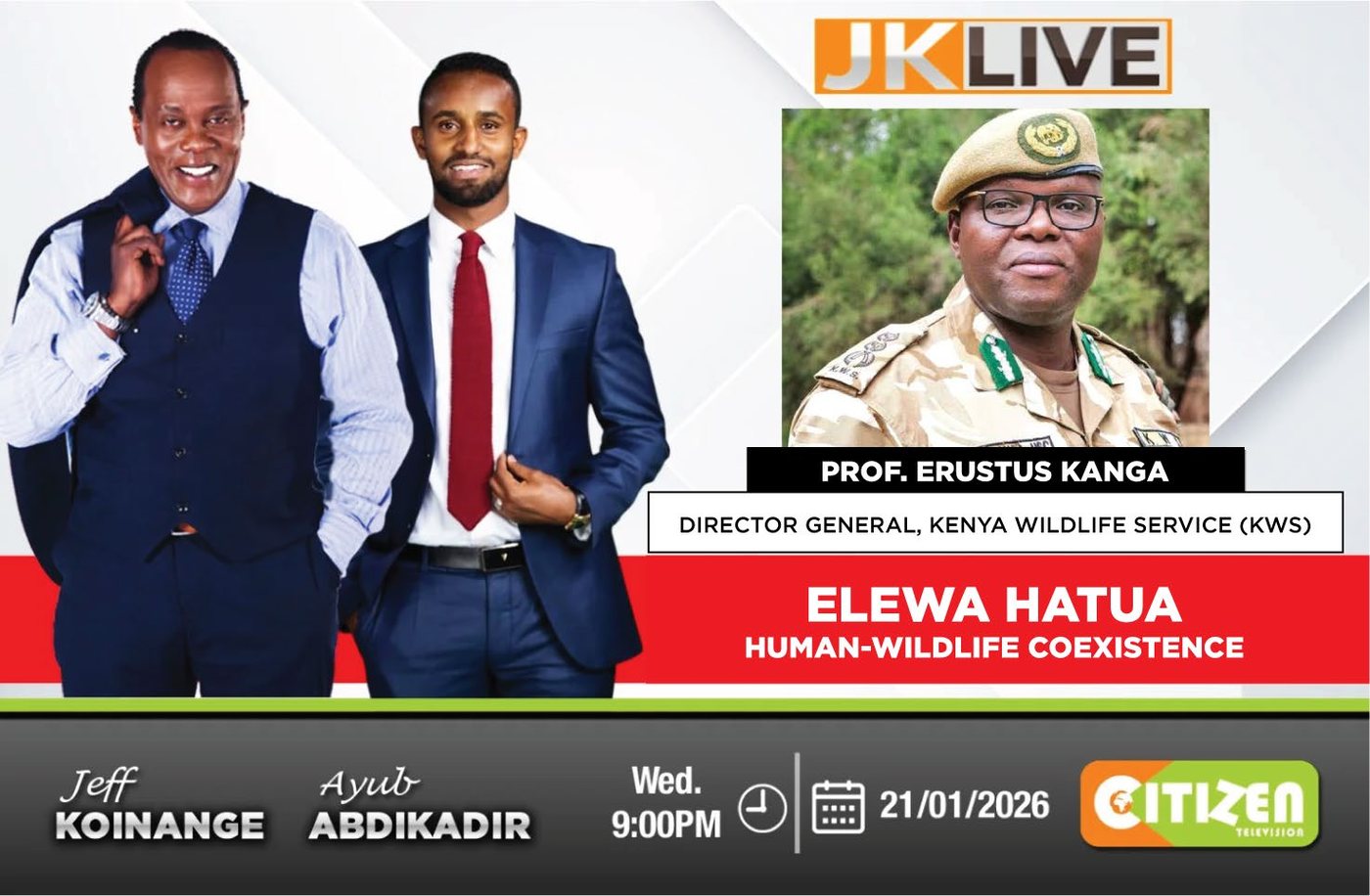
Live studio reads, talk-show participation by senior state spokespeople
Face-to-face dialogue inside existing local administrative structures.
Standardised 90-minute baraza model, market activations, live tech demos
Continuous behavioural reminders at points of trade, transit and congregation.
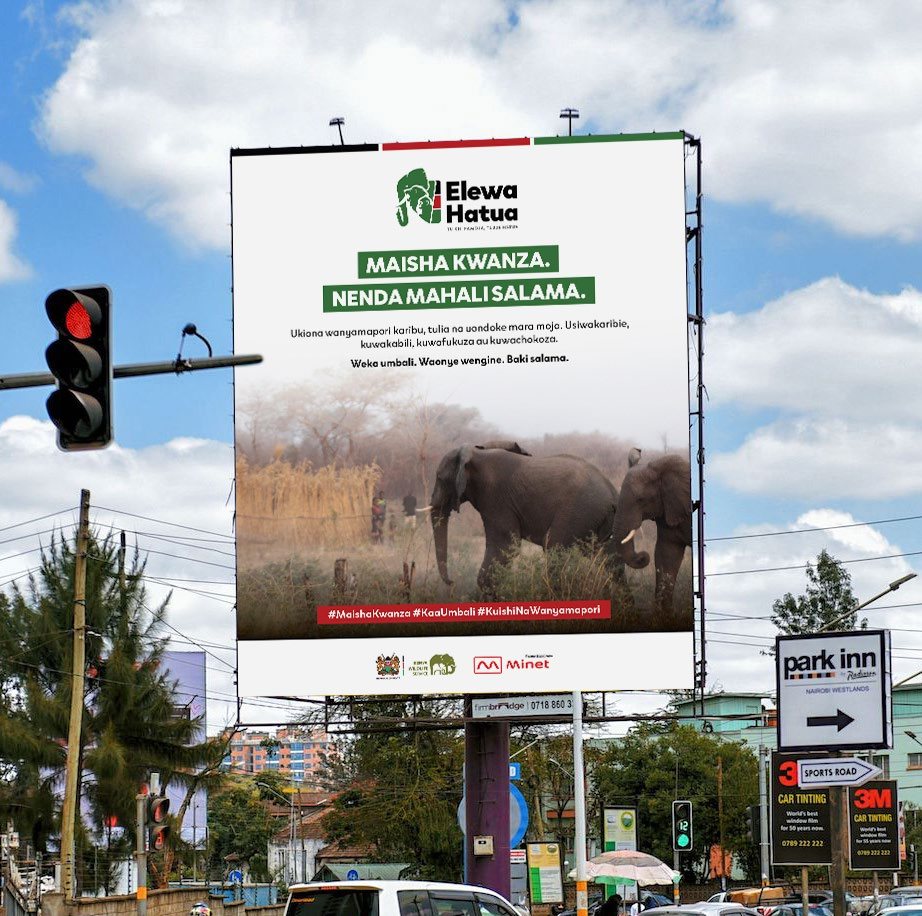
Market-centre billboards, matatu branding, painted murals at chiefs' camps
The always-on layer that counters rumour and equips intermediaries with facts.
WhatsApp voice notes, short-form creator explainers, automated text alerts
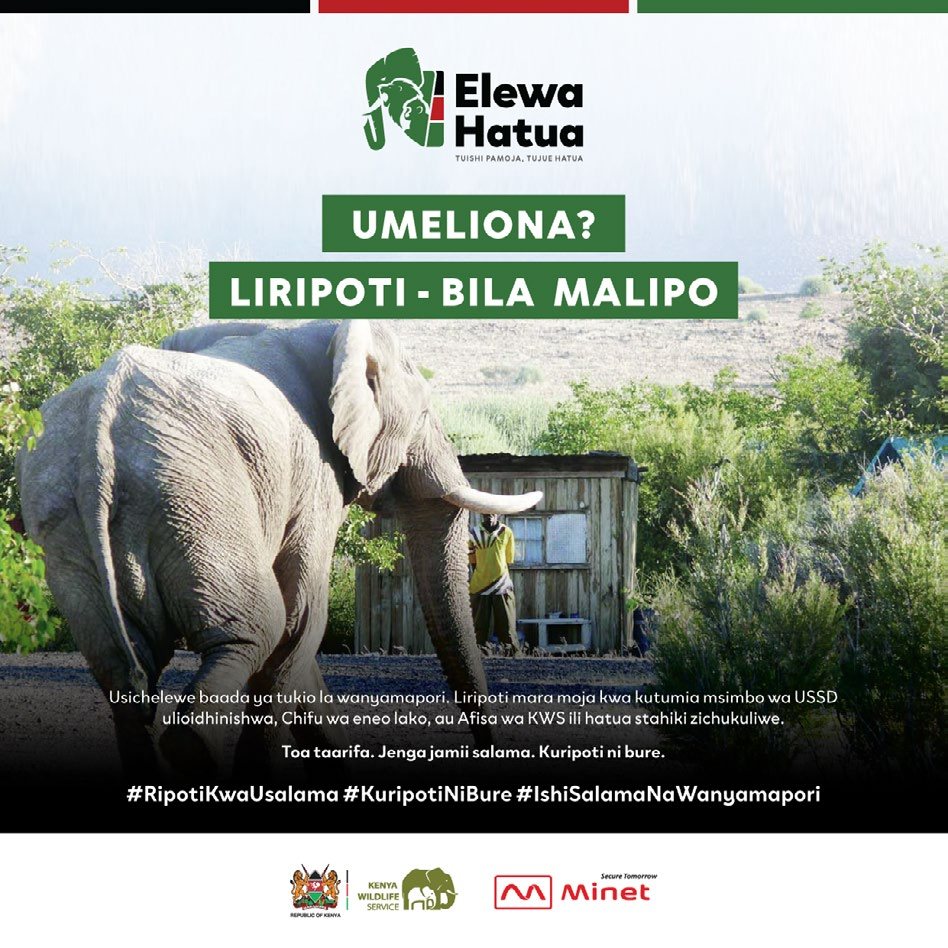
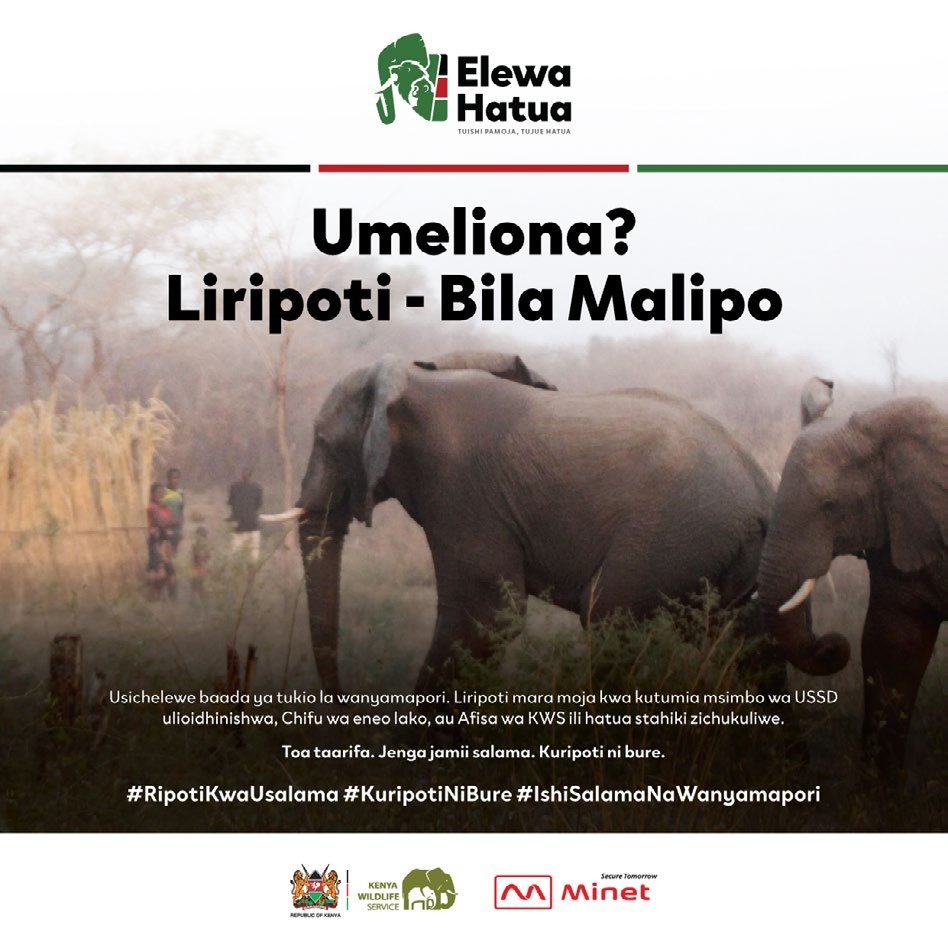
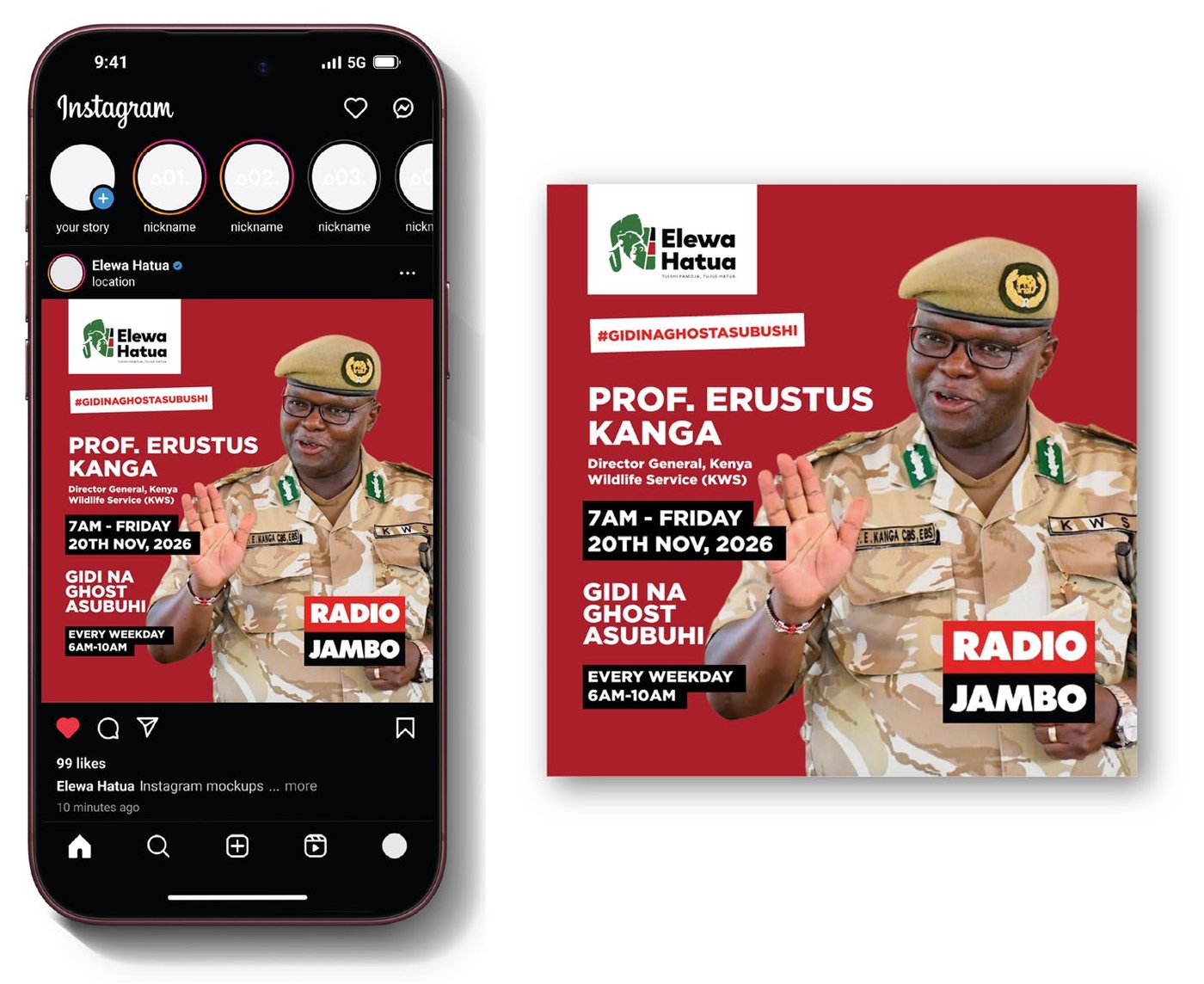
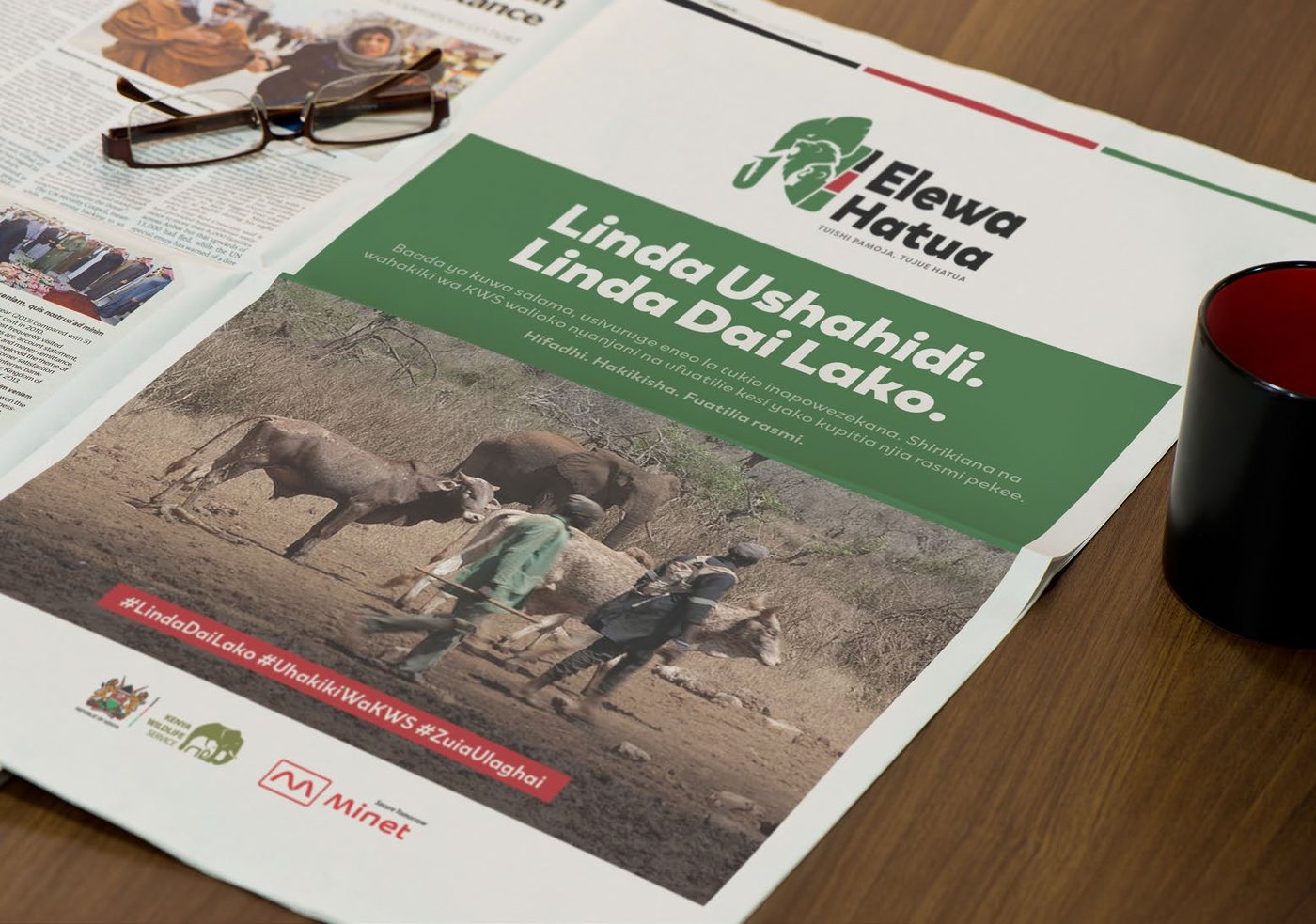
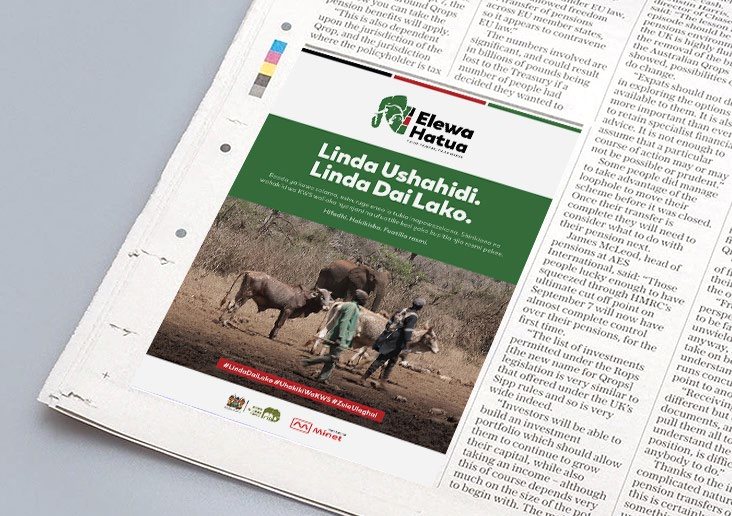
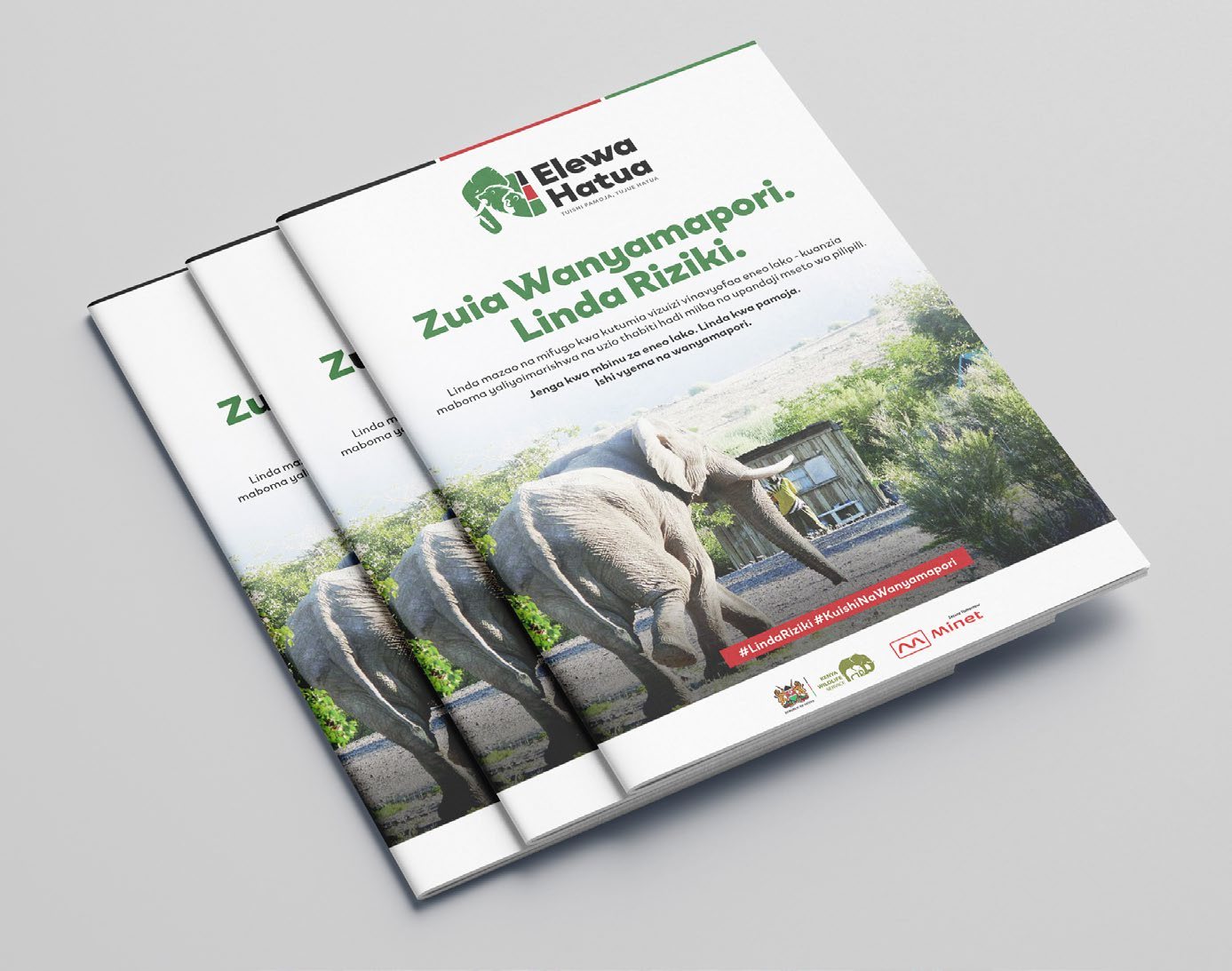
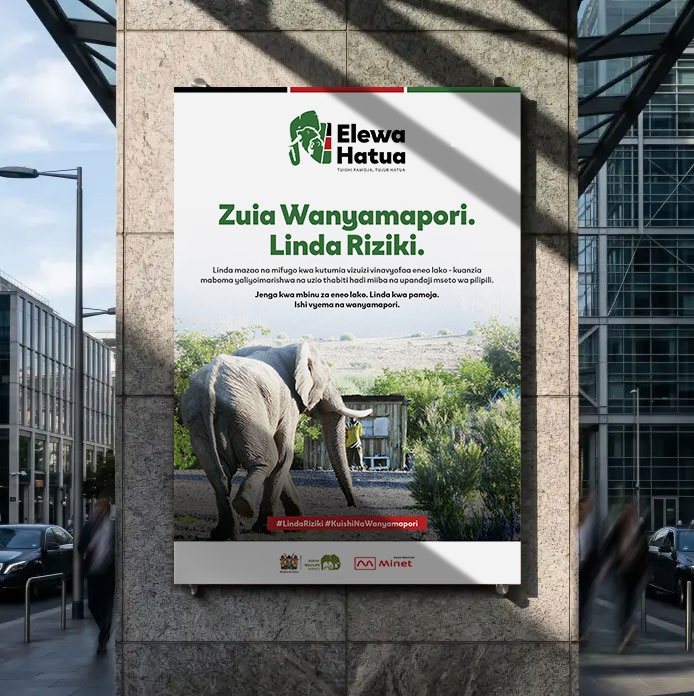
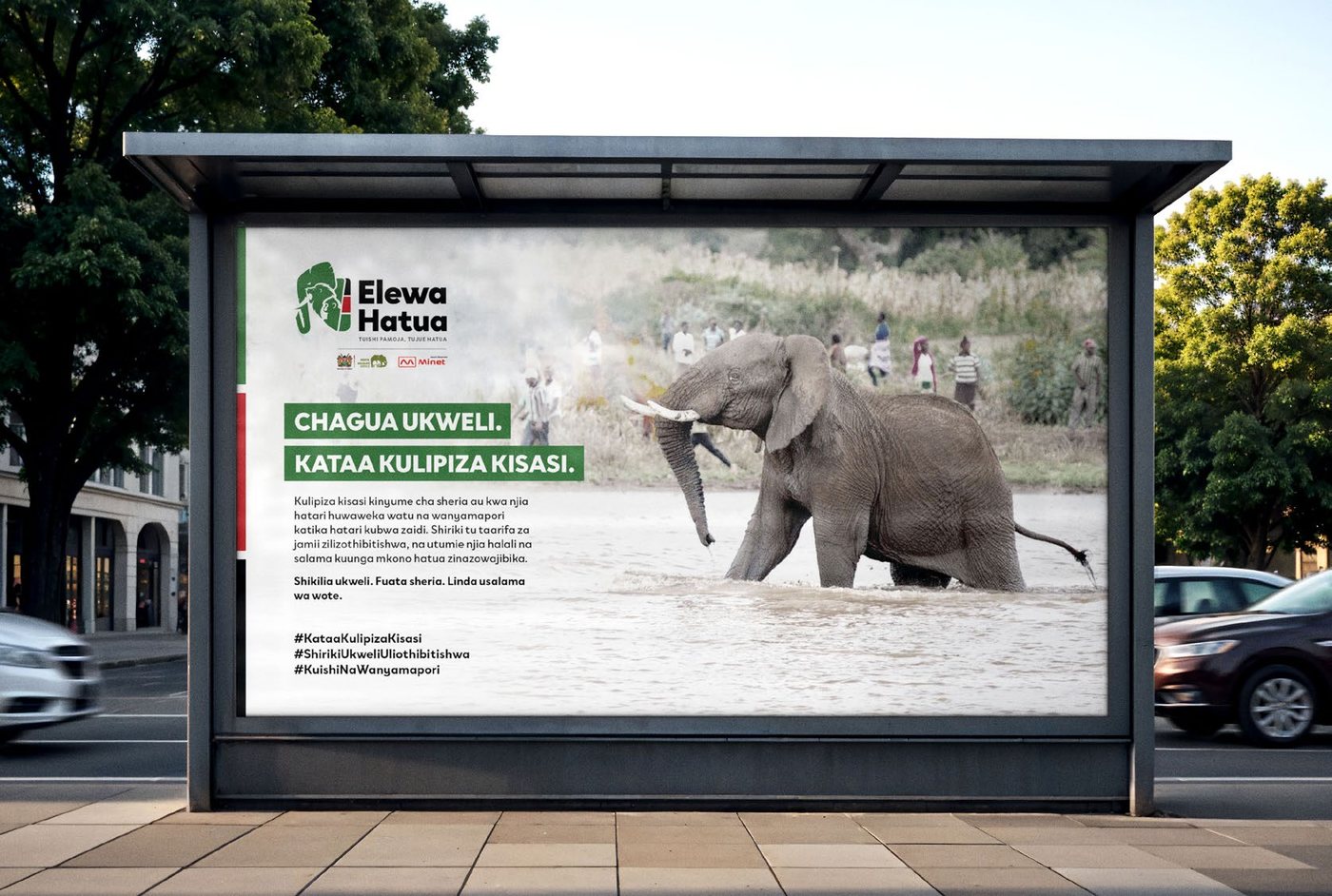
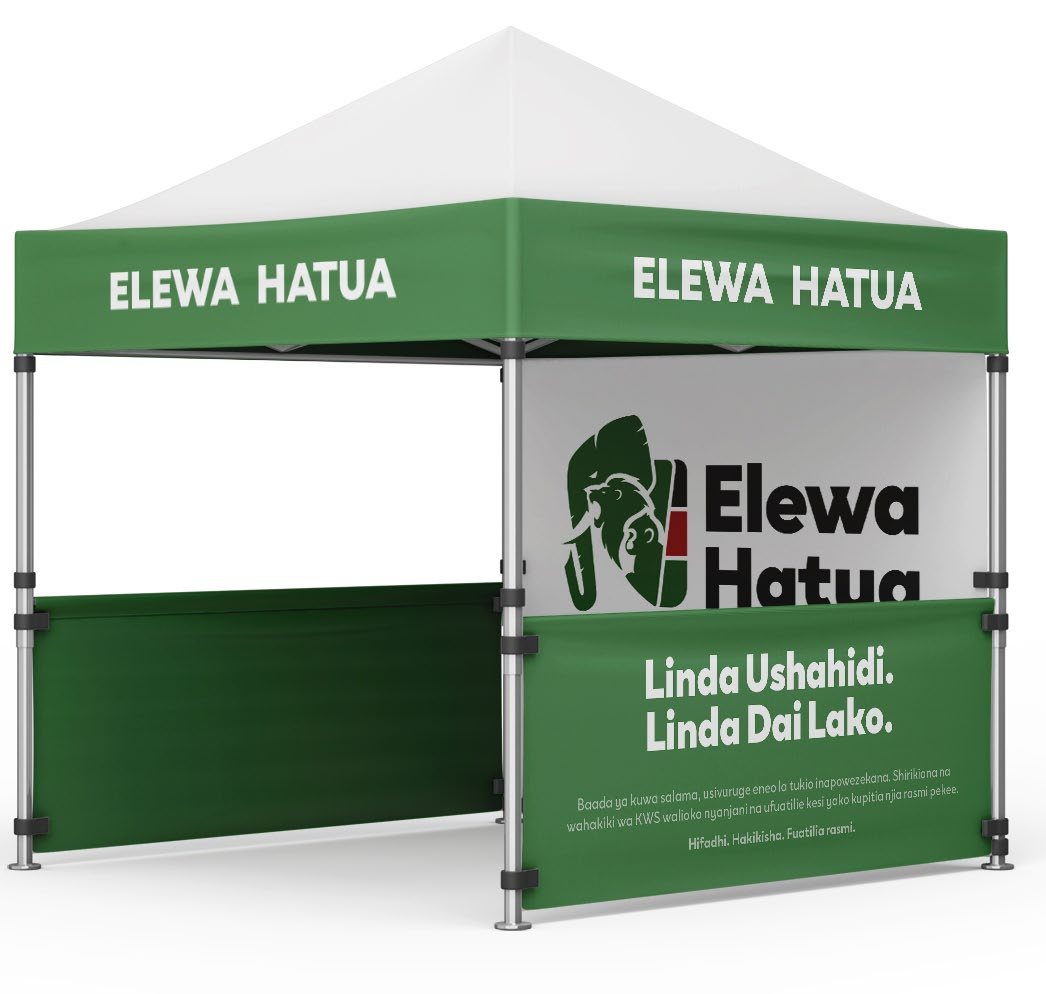
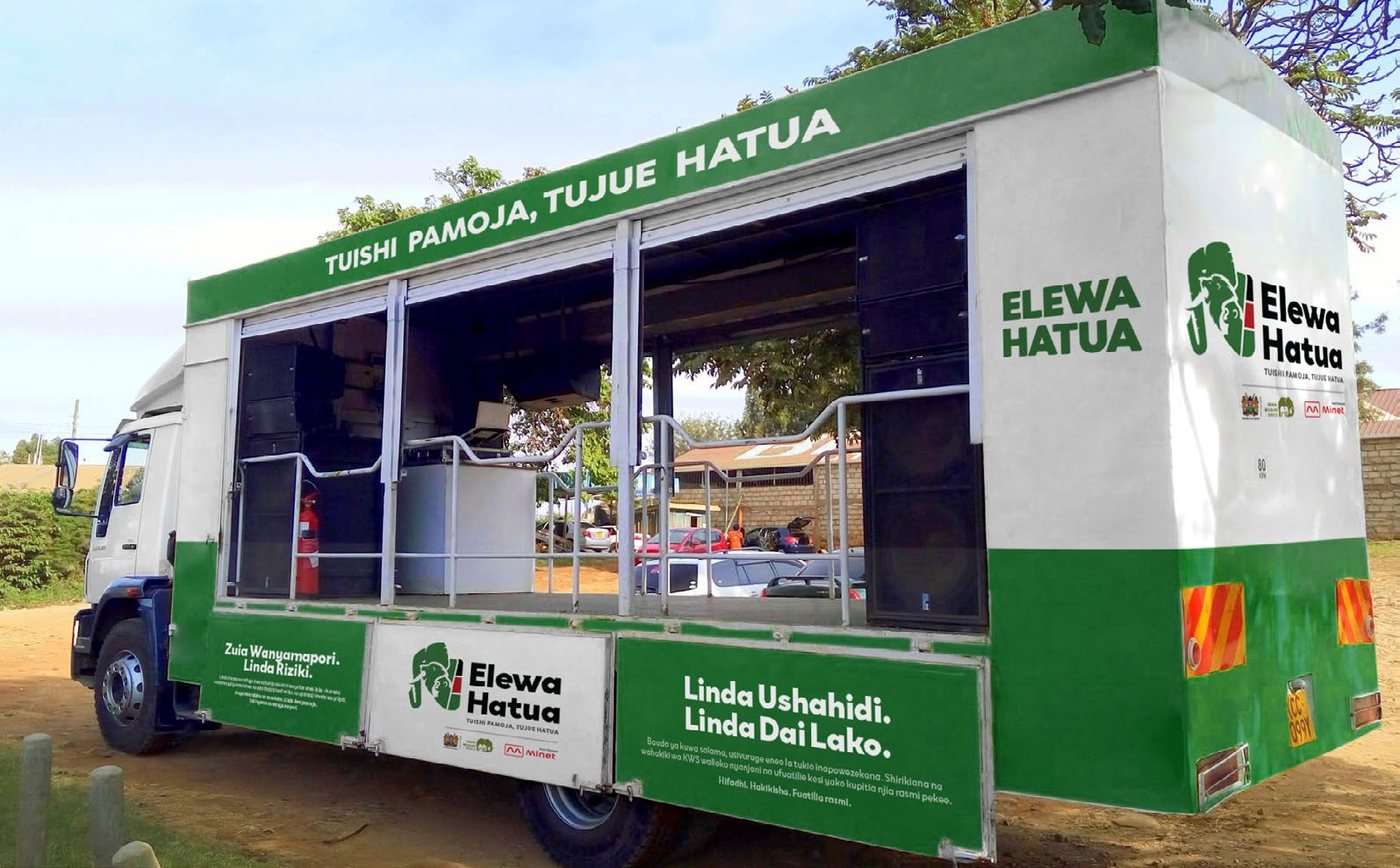
18 production-ready executions across every channel the campaign will run on, drawn from the Elewa Hatua brand book. Open any asset to view it at full size, or take the complete book.
Two headline routes, each in a dark and a light treatment.
Mass reach formats carrying the national voice.
Activation formats that put the campaign on the ground and online.
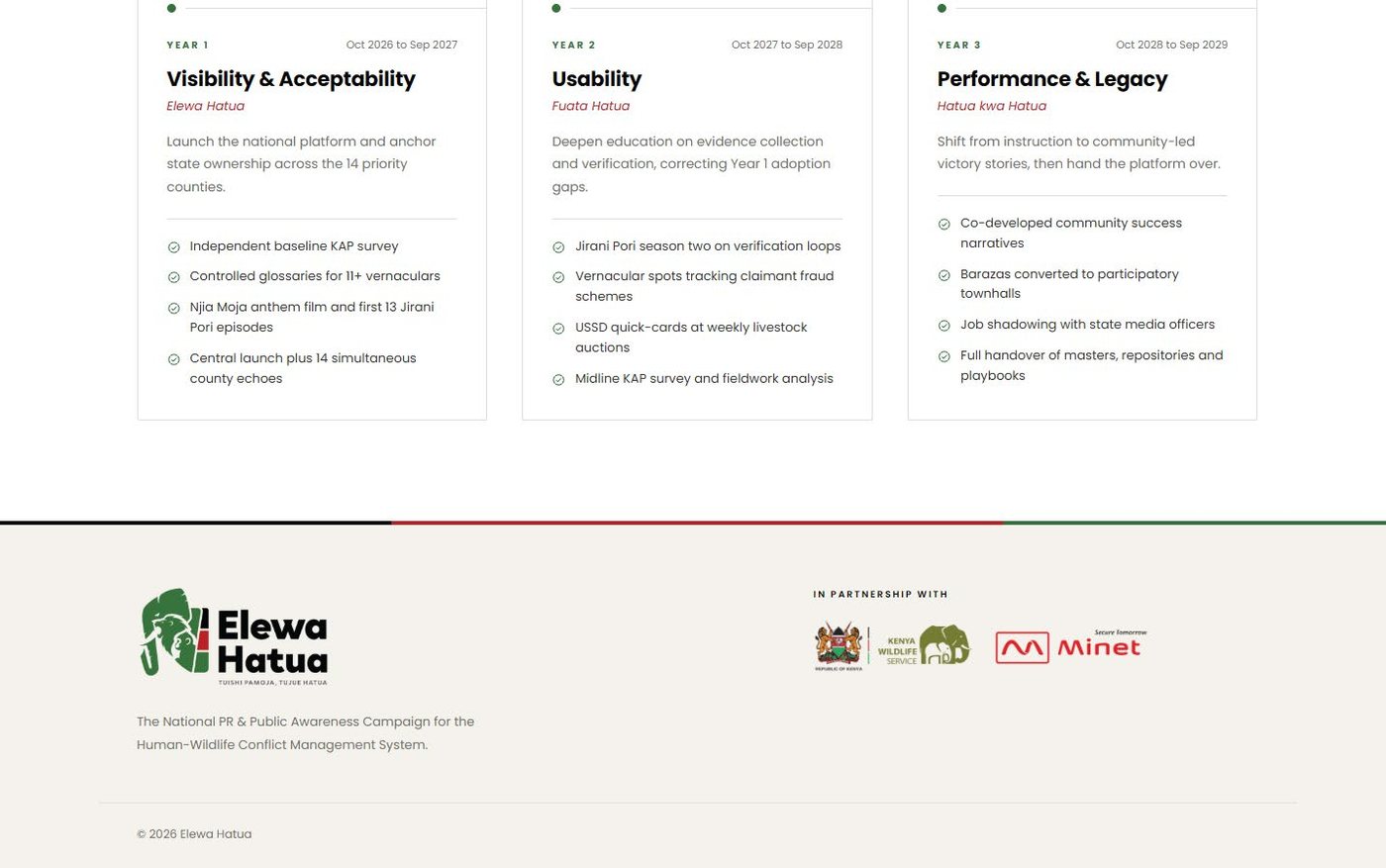
A proof-led sequence. Research, transcreation, back-translation and field pre-testing complete before a single public asset is released, followed by a deliberate handover of the platform itself.
Elewa Hatua
Launch the national platform and anchor state ownership across the 14 priority counties.
Fuata Hatua
Deepen education on evidence collection and verification, correcting Year 1 adoption gaps.
Hatua kwa Hatua
Shift from instruction to community-led victory stories, then hand the platform over.